

The psychology behind gambling Understanding the motivations and behaviors of players
The allure of gambling
Gambling has an undeniable allure that captivates millions worldwide. The thrill of uncertainty and the potential for a significant payoff create a potent combination that many find irresistible. Players are drawn in by the excitement of risking something for the possibility of gaining something much larger. This risk-reward dynamic is fundamental to the psychological appeal of gambling, as it can trigger feelings of exhilaration and adrenaline. Many enthusiasts turn tonew online casinos australia for an exciting experience filled with opportunities.
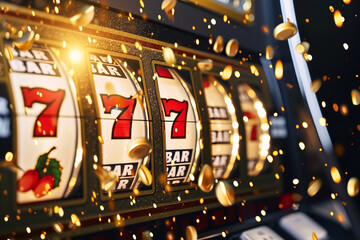
Moreover, gambling environments are meticulously designed to enhance this allure. Bright lights, engaging sounds, and the presence of other players all contribute to an atmosphere that can be both exhilarating and intoxicating. This sensory overload can amplify emotions, making it easy for individuals to lose track of time and money, all while being swept up in the moment.
Psychological motivations for gambling
Understanding why people gamble requires delving into various psychological motivations. For many, gambling serves as an escape from daily stresses or a means of coping with emotional challenges. The act of placing a bet can provide a temporary distraction from reality, offering a brief sense of control over an otherwise chaotic life. These strategies often lead individuals to seek out environments that provide both refuge and entertainment, reflecting a deeper need.
Additionally, some players are motivated by the social aspects of gambling. Whether at a casino or through online platforms, gambling can foster connections with others, enhancing a sense of community among participants. This social element can be particularly appealing to individuals who may feel isolated in their everyday lives.
The role of cognitive biases
Cognitive biases play a significant role in gambling behavior, influencing how players perceive odds and make decisions. One common bias is the illusion of control, where gamblers believe they can influence the outcome of games based on their actions, even in games of chance. This mindset can lead to overconfidence and, ultimately, risky behavior.
Another prevalent bias is the gambler’s fallacy, where individuals mistakenly believe that past outcomes affect future events. For instance, if a player experiences a series of losses, they might assume that a win is “due,” leading them to gamble more aggressively. Understanding these biases can shed light on the irrational behaviors often observed in gambling contexts.
The impact of emotions on gambling behavior
Emotions profoundly influence gambling decisions, shaping how players approach risks and rewards. Positive emotions can lead to more adventurous betting, as players feel emboldened by their perceived success. Conversely, negative emotions may drive individuals to gamble in hopes of recouping losses, often resulting in deeper financial troubles. Many find themselves caught in a cycle driven by their emotional highs and lows.
Additionally, the cyclical nature of emotions and gambling can create a dangerous pattern. Players who win may experience a rush of euphoria, while those who lose might feel despair, prompting them to chase their losses. This emotional rollercoaster can make it challenging for individuals to maintain a healthy relationship with gambling and can lead to problematic behavior.
Exploring responsible gambling resources
As the landscape of gambling continues to evolve, it is crucial for players to be aware of responsible gambling resources. Many platforms prioritize player safety and provide tools for self-regulation, such as setting deposit limits and time restrictions. These features are designed to help individuals manage their gambling habits effectively and reduce the risk of developing harmful behaviors.
Additionally, organizations dedicated to promoting responsible gambling offer support and education to those in need. By fostering awareness and encouraging healthy habits, these resources aim to create a more balanced approach to gambling, helping players enjoy the experience without falling prey to its potential pitfalls.